The machine knows what needs doing. Your robot gets it done.

For makers of humanoid robots: we connect your robots to your customers’ machines via IoT and the AI Operator. Every fault becomes a clear goal, such as “clean the sensor at station 3”. Your robot plans the route and the movements itself.

  • Your robot understands your customers’ machines
  • Connects to existing machines, too
  • As a product component or with us as implementation partner
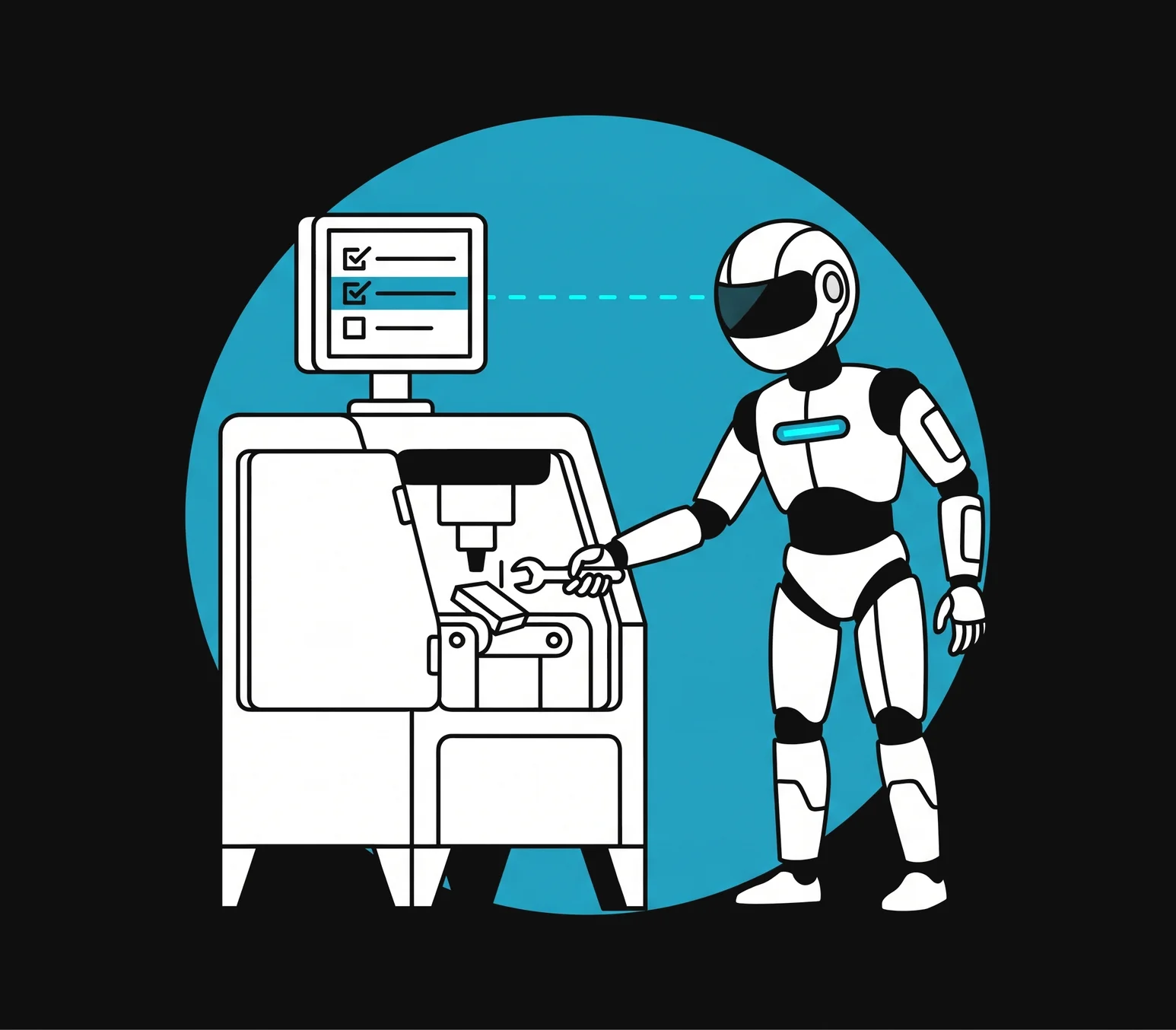
Humanoid robot fixing a fault at a machine with a wrench while the operator panel shows the open task

Two ways to work together.

You build the robot, we connect it to the machine.

Part of your product

Machine-to-Humanoid and the AI Operator become part of your robot’s software, so your robot ships with machine connectivity built in.

  • Integration into your robot’s software stack
  • Machine connectivity out of the box
  • Joint development with your product team
Your implementation partner

We put your robots to work at your customers’ sites: connecting machines, setting up the AI Operator, defining tasks and approvals – from pilot to rollout.

  • Controller connectivity via OPC UA, S7, Modbus and MQTT
  • Setup of tasks and approvals on the shop floor
  • Operations and support after rollout

Four building blocks for robots that know what to do.

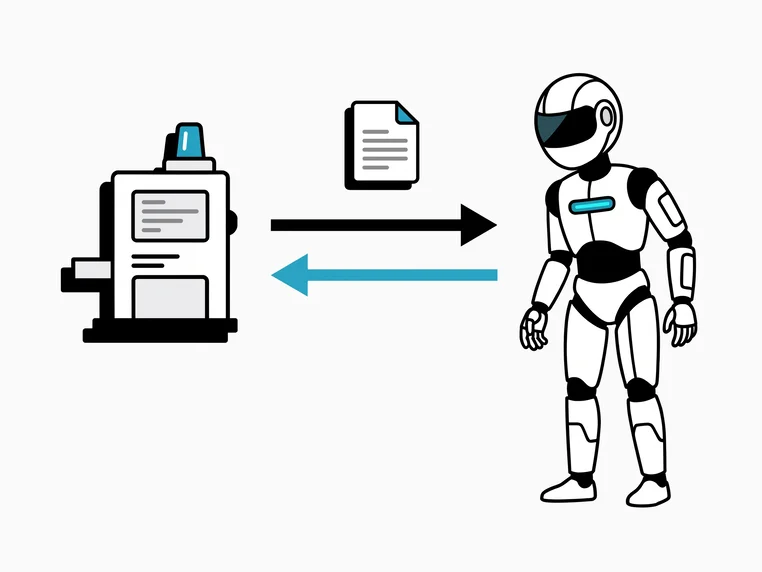
A machine and a humanoid robot exchange a document via arrows in both directions

Machine-to-Humanoid

Machine and robot talk to each other directly. The machine reports its state, the fault and a safe position; your robot reports back what it has completed.

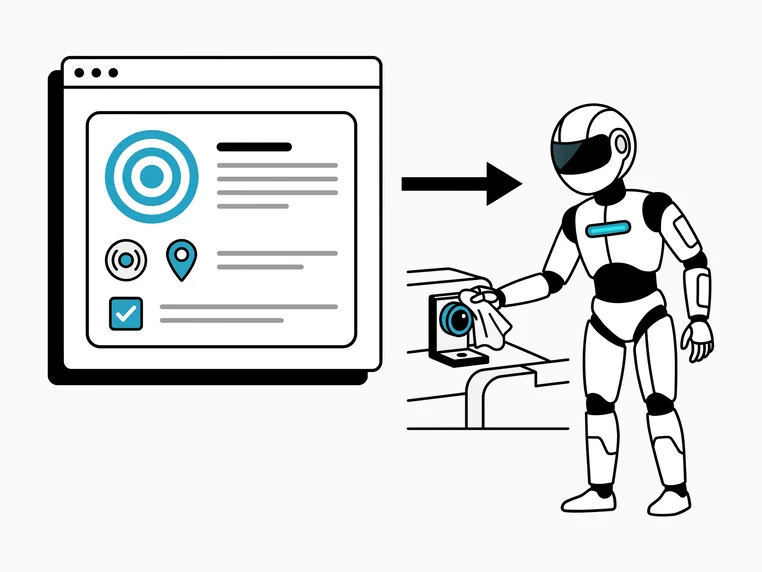
Task card with a target, a sensor symbol and a location pin; next to it a humanoid robot wipes a sensor with a cloth

Task briefing

The AI Operator identifies the cause and gives your robot a clear goal: what needs to be done, where, and how to tell it’s done. Your robot plans the movements itself.

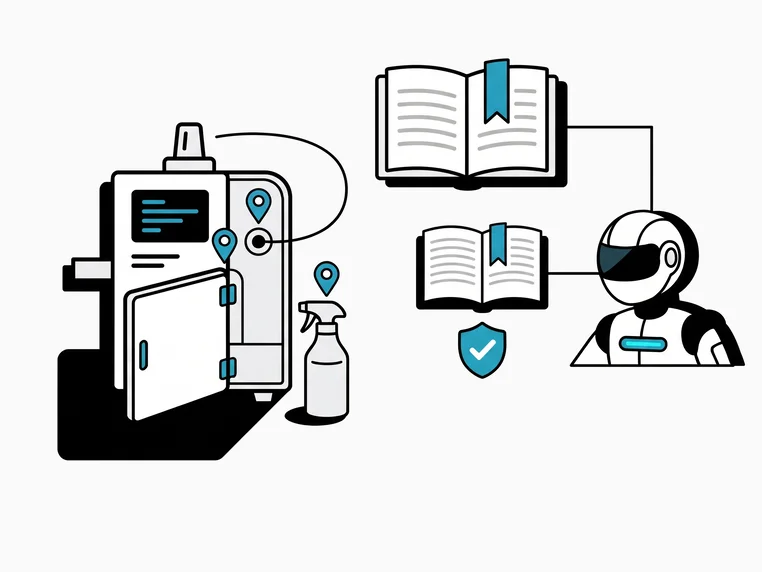
Machine with an open guard door and markers on a sensor, the door hinge and a cleaning agent, next to manuals and a humanoid robot

Machine knowledge

Where is the sensor, which guard door has to be open, which cleaning agent is allowed? The knowledge of your customers’ best operators and service technicians gives your robot the context for the task.

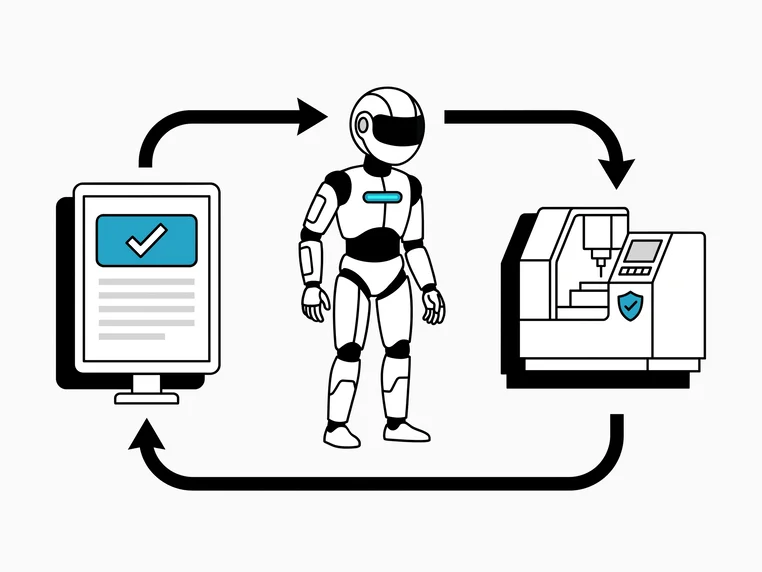
Loop of a tablet with an approval check mark, a waiting humanoid robot and a machine with a shield symbol

Approval loop

Your robot only starts after approval and only when the machine is in a safe state. The machine confirms via its signals that the goal has been reached; any deviation goes back to a person.

From fault code to task.

One pipeline from the machine’s sensor to the completed task – built on the AI Operator stack.

  1. Detect

    The AI Operator reads the machine’s controller and sensor data via OPC UA, S7, Modbus or MQTT and detects faults and drift.

  2. Diagnose

    The operator AI model identifies the likely cause from machine data, fault history and the knowledge of the experts on site.

  3. Assign

    The recommendation becomes a task with a goal, a location and a success criterion. Your robot receives it through its interface, such as ROS 2, and plans the execution itself.

  4. Execute & verify

    After approval, your robot completes the task and the machine confirms the result. What worked flows back into the model.

The stack behind Machine-to-Humanoid

Machine and robot connected

OPC UA, S7, Modbus and MQTT to the machine, ROS 2 or your API to the robot.

Brownfield-ready

We also connect your customers’ older machines, regardless of the machine maker.

Human approval

The AI Operator sets the goal, a person approves, your robot executes.

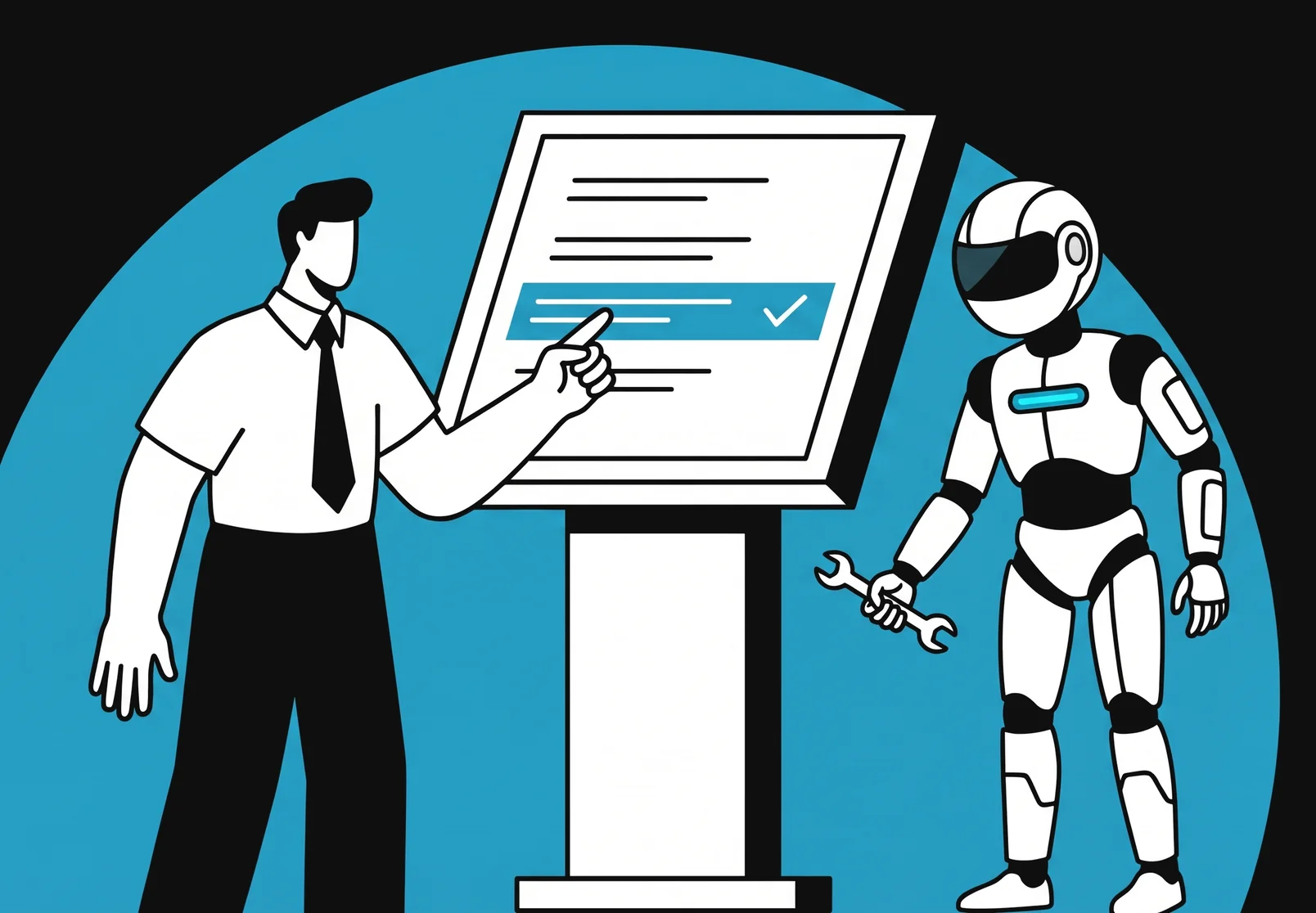
An engineer points at a highlighted task on an operator panel next to a humanoid robot holding a tool

Book a first call and connect your robot to its first machine.

Schedule a call

What your robot can take over at your customers’ machines.

Typical tasks that today require someone to walk up to the machine.

Clearing faults

Remove a jammed part, close the guard door, acknowledge the fault and restart the machine.

Cleaning sensors

Clean dirty sensors, light barriers and cameras as soon as the AI Operator detects contamination.

Replenishing material

Change reels, refill containers and swap consumables as soon as the machine asks for it.

Changeovers and maintenance

Swap format parts per recipe, lubricate and run visual checks – by schedule or by machine condition.

How we start.

Four steps from the first conversation to rollout at your customers. After each step, you decide whether to continue.

Introductory call

You tell us about your robot and your target customers. We tell you openly which model fits: product component or implementation partnership.

Task analysis

Together we pick the machines and tasks where your robot brings your customers the most value.

Pilot at a customer

We connect one customer machine to the AI Operator and your robot and hand it its first tasks.

Product or rollout

The solution becomes part of your product, or we roll it out to more customers as your implementation partner.

Ready for the next step? Schedule your first call. Go to booking

Schedule a first call.

In 30 minutes, we work out how your robot can work with your customers’ machines and which partner model suits you.

  • Tasks with the most value for your customers
  • The right partner model: product component or implementation
  • A clear roadmap from pilot to rollout

Book a call

30 minutes via video. Pick a free slot – the invitation arrives by email right away.

Book a call

Prefer email or phone?

[email protected] +49 (0) 89 21528775

We usually reply within 24 hours.